

• How We Help
    • FHI NOW
    • 3PL
    • Distribution
    • Logistics
  • Resources
    • Case Studies
  • About
Schedule A Call

Warehouse Labor Solutions: Strategic Workforce Planning for Resilient Warehouse Operations

Warehouse labor solutions start with strategic workforce planning. Learn how proactive planning reduces overtime, improves stability, and builds resilient operations.
  • By
  • FHI|
  • January 5, 2026
  • Blog

Workforce challenges in warehousing rarely come from a lack of effort. More often, they stem from a lack of planning.

As supply chains continue to face variability in volume, customer expectations, and labor availability, strategic workforce planning has become one of the most important warehouse labor solutions available to operations leaders.

This article explains what strategic workforce planning means in a warehouse environment, why it matters, and how it helps organizations build resilience instead of relying on constant reaction.


What is strategic workforce planning in warehousing?

Strategic workforce planning is the process of aligning labor capacity with operational demand over time—not just week to week, but across seasons, growth cycles, and market changes.

In a warehouse setting, this means:

  • Anticipating labor needs based on historical and forecasted volume
  • Planning for variability instead of assuming steady demand
  • Preparing for peak periods before they arrive
  • Reducing reliance on last-minute staffing and overtime

Rather than reacting to shortages, strategic planning creates structure and predictability.


Why is strategic workforce planning a critical warehouse labor solution?

Labor is the largest controllable cost in most warehouses—and also the most volatile.

Without a workforce plan, warehouses often experience:

  • Chronic overtime during short demand spikes
  • Inconsistent productivity by shift
  • Supervisor burnout from constant rebalancing
  • Difficulty scaling during growth
  • Rising labor costs with little improvement in output

Strategic workforce planning addresses these challenges by shifting labor decisions from reactive to intentional.


How does workforce planning reduce overtime and labor instability?

Overtime is often treated as a staffing issue, but it is usually a planning issue.

When workforce planning is weak:

  • Labor is scheduled without accounting for volume variability
  • Capacity gaps are discovered mid-shift or mid-week
  • Overtime becomes the default solution

With strategic planning, warehouses can:

  • Align labor more closely with forecasted demand
  • Identify upcoming gaps earlier
  • Use overtime strategically instead of habitually
  • Reduce fatigue and safety risk

Over time, this leads to more stable labor costs and better performance.


What role does historical data play in workforce planning?

Effective workforce planning starts with understanding patterns.

Historical data helps warehouses:

  • Identify seasonal trends
  • Recognize recurring bottlenecks
  • Understand labor productivity under different conditions
  • Anticipate demand surges before they occur

By using past performance as a planning input, warehouses can make more informed labor decisions instead of relying on guesswork.


How does workforce planning support warehouse growth?

Growth often exposes weaknesses in labor models.

As volume increases:

  • Existing processes become strained
  • Supervisors manage more people with the same tools
  • Productivity often declines before it improves

Strategic workforce planning helps growth feel controlled instead of chaotic by:

  • Scaling labor capacity deliberately
  • Preparing leadership structures in advance
  • Preventing labor from becoming a growth bottleneck
  • Supporting consistent service levels as operations expand


What are common workforce planning mistakes warehouses make?

Even well-run operations can fall into planning traps, including:

  • Planning labor based only on headcount
  • Treating every week as “typical”
  • Ignoring variability across shifts
  • Failing to plan for peak until it arrives
  • Relying on supervisors to solve planning gaps in real time

Strategic workforce planning replaces these habits with foresight and structure.


What does effective strategic workforce planning look like in practice?

While every warehouse is different, effective planning typically includes:

  • Forecasting labor needs based on volume and productivity
  • Building flexibility into staffing models
  • Cross-training associates to support multiple functions
  • Establishing clear productivity expectations
  • Reviewing labor performance regularly—not just after problems occur

The goal is not perfection, but predictability and resilience.


When should warehouses focus on workforce planning?

The best time to plan is before pressure builds.

  • Warehouses that invest in workforce planning:
  • Between peak seasons
  • During periods of growth
  • When labor challenges feel manageable—not overwhelming

Organizations that wait until labor issues are urgent often find fewer options available.


Common Questions About Warehouse Labor Solutions and Workforce Planning


How is workforce planning different from scheduling?

Workforce planning looks ahead to future labor needs, while scheduling assigns labor for specific shifts.

Can workforce planning really reduce labor costs?

Yes. Better planning reduces overtime, turnover, and inefficiency.

Is workforce planning only for large warehouses?

No. Any warehouse experiencing variability or growth benefits from planning.

Why do labor problems repeat year after year?

Because headcount changes without improving the planning system.

What is the first step in workforce planning?

Understanding demand patterns and productivity trends.


👇📅 We're here to help.  There's no pitch - just a conversation. 📅👇

FHI NOW

IS LACK OF QUALITY LABOR COMPROMISING YOUR SUPPLY CHAIN?

If you need dependable support to reinforce your team and get you back on track, FHI NOW can help.

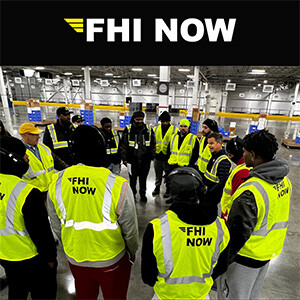
Our on-demand, managed, experienced, trained, and sage team is available and can be on-site within 72 hours.
Learn More
FHI NOW

Get in Touch

In any market, your supply chain can make or break your ability to compete well. Don't leave that to chance. We can help you create a stronger operation, so you never fall behind the competition.

Stop worrying about labor challenges and start enjoying a safe, lean, and rock-solid supply chain.

Connect With Us:
  •  
  •  
  •  
  •  
  • Services
  • About
  • Employment
  • Contact
Receipt Request | FHIQ.com Portal

(800) 849-3132 | © FHI. All rights reserved.