
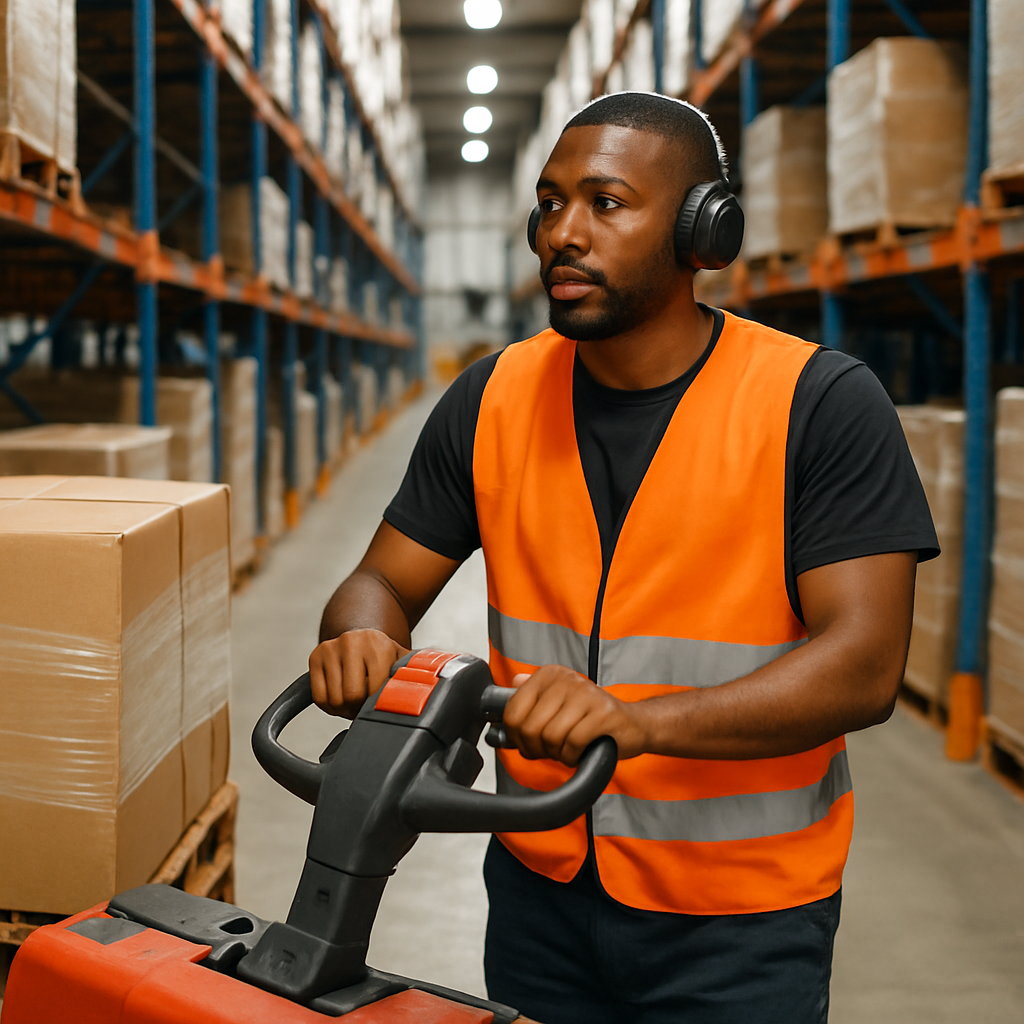
Order selection is one of the most labor-intensive and performance-critical functions inside a warehouse or distribution center. When order selection breaks down, the entire operation feels it—missed shipping windows, rising labor costs, safety incidents, and unhappy customers.
This guide explains what order selection is, why it matters, and how leading distribution centers optimize it through the right combination of process, technology, and labor strategy.
Order selection is the process of retrieving items from inventory to fulfill customer orders. Order selectors follow pick instructions—often through RF scanners, voice systems, or pick-to-light technology—and assemble cases, pallets, or totes for outbound shipment.
In large distribution centers, order selection accounts for:
Because of this, even small inefficiencies in order selection can have outsized operational consequences.
Order selection sits at the center of warehouse performance. It directly influences:
When order selection struggles, downstream processes—loading, transportation, and customer delivery—slow down as well.
Warehouses use different order selection methods based on SKU velocity, order profiles, and facility layout.
One order is picked at a time. Simple but slower at scale.
Multiple orders are picked simultaneously, then sorted later. Increases efficiency for small-item operations.
Selectors work within assigned zones. Orders pass between zones for completion.
Orders are released in timed waves aligned with shipping schedules.
Selectors receive hands-free verbal instructions, improving speed and safety.
Each method requires trained selectors, consistent supervision, and reliable labor coverage to perform well.
Even well-designed warehouses struggle with order selection due to:
Order selection is physically demanding, repetitive, and often operates on second or third shifts. High turnover disrupts productivity and training continuity.
Pick rates vary widely between experienced and new selectors, making forecasting difficult.
Pushing speed without accountability often increases mis-picks and damages.
Fatigue, improper lifting, pallet jacks, and congested aisles increase injury risk—especially among new hires.
These challenges explain why many operations reevaluate how order selection labor is managed.
Order selection is not just a staffing issue—it’s a management and accountability issue.
Facilities that rely on rotating temporary labor or unmanaged hourly associates often experience:
By contrast, operations that treat order selection as a managed function benefit from:
Pros
Cons
Pros
Cons
For many large distribution centers, managed labor removes volatility from the most critical function in the building.
High-performing warehouses consistently focus on:
Most importantly, they treat order selection as a core operational discipline, not a temporary staffing problem.
Order selection is often considered the most physically demanding due to pace, lifting, and repetition.
Rates vary by industry and product type, but consistent performance matters more than peak speed.
It requires manual movement, decision-making, and accuracy under time pressure—often across long shifts.
Better training, performance accountability, safer workflows, and predictable scheduling all help.
Yes. Many large warehouses use managed labor teams to stabilize performance and reduce operational risk.
👇📅 We're here to help. There's no pitch - just a conversation. 📅👇
If you need dependable support to reinforce your team and get you back on track, FHI NOW can help.

In any market, your supply chain can make or break your ability to compete well. Don't leave that to chance. We can help you create a stronger operation, so you never fall behind the competition.
Stop worrying about labor challenges and start enjoying a safe, lean, and rock-solid supply chain.
(800) 849-3132 | © FHI. All rights reserved.