

Drama is expensive.
It doesn’t show up as a line item on a P&L, but every operations leader has felt it:
In a high-velocity warehouse, drama drains:
The most productive distribution centers don’t just have strong processes — they have low-drama cultures where people know what’s expected, feel respected, and focus on the work instead of the noise.
This article outlines a practical playbook for building a zero-drama workforce culture that supports performance, retention, and cost-per-case.
Drama isn’t about emotion — it’s about unresolved friction that steals time, attention, and trust.
Common signs:
The operational impact:
Drama turns every improvement into an argument instead of a shared effort.
Zero drama doesn’t mean:
It means this:
We deal with issues directly, fairly, and quickly — and then we move forward.
The goal isn’t a “nice” culture.
The goal is a clear, respectful, high-standards culture.
Many DCs have values posters that no one can recite.
Zero-drama cultures use simple behavioral standards everyone can remember, like:
These become the rules of engagement — not corporate fluff.
Use them in:
If people don’t know the standard, drama fills the gap.
Most workplace drama is multiplied by leadership, not created by associates.
Zero-drama leaders:
Instead, they:
Calm leadership is contagious. So is reactive leadership.
The culture is not what’s on the wall —
it’s how leaders behave when the shift is under pressure.
Drama thrives in confusion.
You need a clear, simple path for handling issues, for both associates and leaders:
Go to the person first (direct conversation)
If unresolved, go together to the supervisor
If still unresolved, escalate once more
Make it normal — and safe — to:
What kills drama isn’t perfection. It’s structured resolution.
Some of the biggest sources of drama are the people who hit numbers but:
If high output buys someone a free pass on behavior, everyone sees it.
That sends a message:
“Production matters. People don’t.”
In zero-drama cultures:
how you work matters as much as how much you produce.
You don’t need perfect people.
You need people who produce and don’t poison the well.
Gossip is drama’s favorite tool.
A practical policy:
Leaders should:
Psychological safety + strong standards = low drama, high performance.
Zero-drama isn’t a “nice-to-have.”
It’s a performance system.
You’ll feel it in:
Culture is not soft. It’s how work gets done.
Managed labor isn’t just about extra hands — it’s about better habits.
Because managed labor leaders are embedded on the floor, they can:
They bring neutrality + structure into environments that may otherwise feel fragmented.
Drama will always try to sneak into any workplace where:
But in high-stakes operations where labor, safety, and service all collide, drama is more than annoying — it’s expensive.
Zero-drama culture isn’t about being perfect.
It’s about being:
When people know what’s expected, feel respected, and see issues handled quickly and fairly, they stop wasting energy on drama — and start using it on performance.
Q1: Is a zero-drama culture realistic in a busy warehouse?
Yes. It doesn’t mean no emotions — it means issues are handled quickly, directly, and professionally.
Q2: What’s the biggest source of drama on the floor?
Inconsistent leadership and unclear expectations. People fill information gaps with assumptions.
Q3: How do you handle a toxic high performer?
Clarify expectations for both performance and behavior. If they refuse to align, you protect the culture over the individual.
Q4: How can we reduce gossip without creating fear?
Make direct conversations normal, protect people who speak honestly, and address issues without shaming.
Q5: How does managed labor support low-drama culture?
By providing trained leaders who model calm, consistent coaching and enforce standards fairly across shifts.
👇📅 We're here to help. There's no pitch - just a conversation. 📅👇
If you need dependable support to reinforce your team and get you back on track, FHI NOW can help.

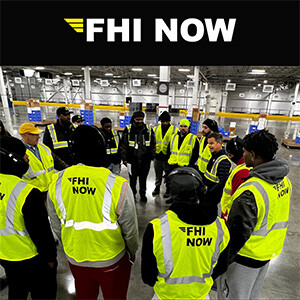
In any market, your supply chain can make or break your ability to compete well. Don't leave that to chance. We can help you create a stronger operation, so you never fall behind the competition.
Stop worrying about labor challenges and start enjoying a safe, lean, and rock-solid supply chain.
(800) 849-3132 | © FHI. All rights reserved.